AGP Executive Report
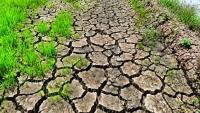
Last update: 6 hours agoDigital Farming: India has issued 11 crore unique farmer IDs five months ahead of schedule, creating a nationwide digital identity system for agricultural support. Climate Pressure: El Niño-related dry conditions have caused an estimated 300 million pesos in crop losses in the Philippines’ Eastern Visayas, affecting more than 6,400 farmers and nearly 8,000 hectares. Water Security: Kano farmers say new irrigation access is helping them grow crops beyond the rainy season, while Karnataka faces falling reservoir levels and mounting power-demand concerns. Farm Support: Greece will launch a digital voucher system for tax-free agricultural diesel on November 1, allowing eligible farmers to avoid paying the tax upfront. Solar and Soil: India is advancing agrivoltaics to combine crop production with solar power, while researchers are testing seismic technology to map soil compaction and guide farm management. Conflict and Livelihoods: Returning farmers in Syria’s Afrin region are restoring olive groves after years of displacement, but high costs for fuel and farm inputs are slowing recovery.
Note: AI summary from news headlines; neutral sources weighted more to help reduce bias in the result. Feedback is welcome. Please let us know if you have any comments or suggestions about the AGP Executive Report.

 Perspectify News